1. Style / Genre Tags
1844 American parlor waltz, antebellum salon piano, 3/4 valse time, square pianoforte, simple folk-style melody, instrumental piano solo, lilting waltz bass, parlor entertainment, period dance music for amateur pianists, modest unpretentious 1840s domestic music, no drums, no electric instruments, no synthesizer, warm vintage recording, gentle, light, dance-ready
2. Structure
[Soft Piano Introduction, gentle 3/4 waltz time]

[Theme A - Simple melodic line with light waltz bass]

[Theme A Repeat]

[Theme B - Slight variation, perhaps more lively]

[Return to Theme A]

[Final Cadence]
About the Piece
What we know
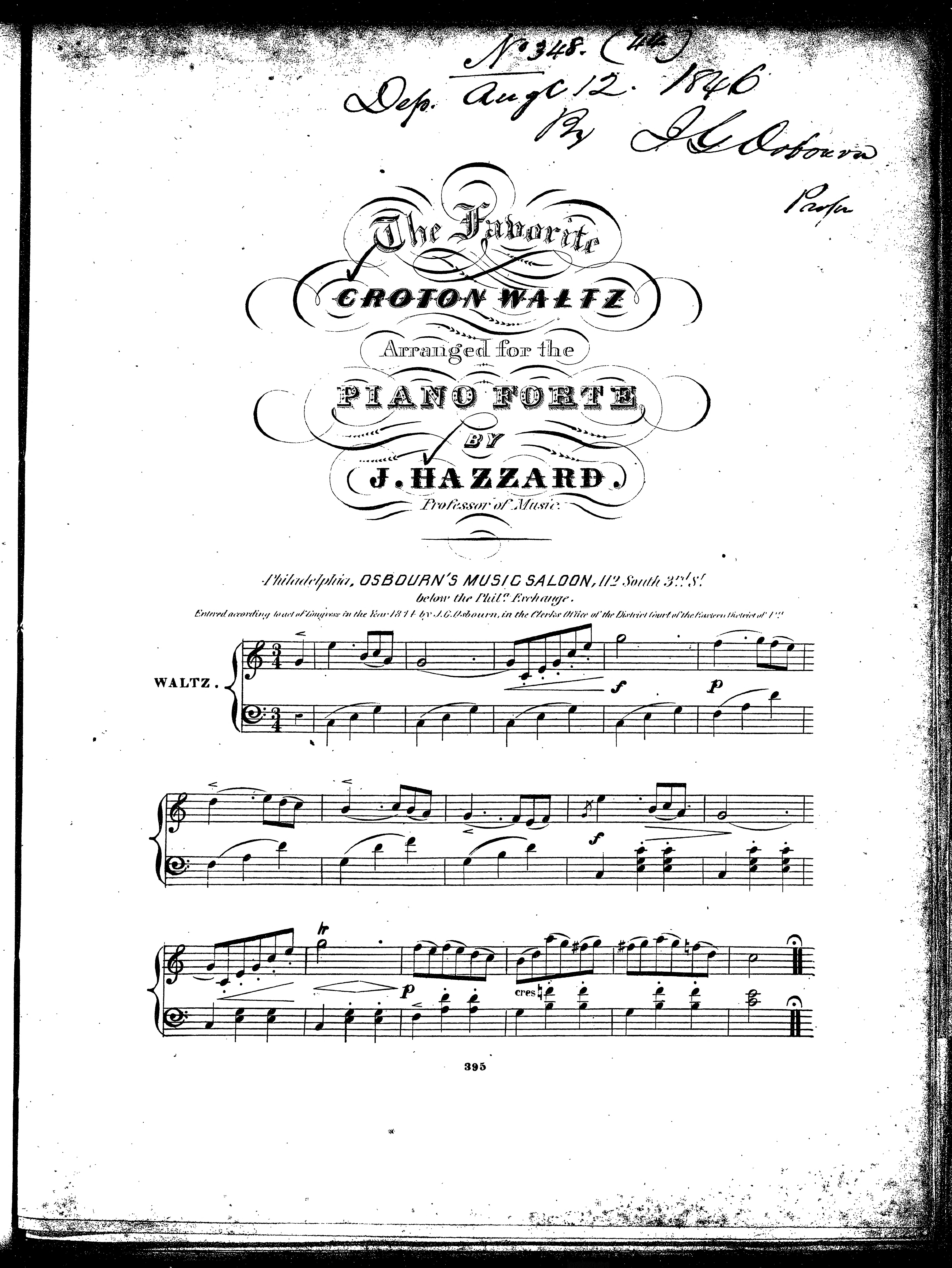
J. Hazzard’s Croton Waltz was registered for U.S. copyright in 1844, the same year as Henry F. Williams’s better-known Croton Waltz. Both pieces are preserved in the Library of Congress’s bound volumes of instrumental sheet music registered with the U.S. District courts for copyright purposes between 1820 and 1860.
The Library of Congress catalog identifies the subject as “waltzes, croton water, piano music.” Almost nothing is known about composer J. Hazzard — not their first name, their hometown, their other works, or whether they were a professional musician at all. Many 1840s sheet music registrations were made by amateur composers who never published anything else.
The existence of two separately-published Croton Waltzes in 1844 testifies to how popular the Croton Aqueduct’s opening had become as a subject for parlor music. Where Morris’s 1842 official Croton Ode was a grand civic anthem and Phillips’s “From Mountain Heights” was a temperance chorus, the waltzes offered something different: domestic entertainment for the parlor, designed to be played at home by amateur pianists who wanted to mark the occasion in their own way. By 1844, “Croton” had become a brand — a name you could attach to a piece of music to give it patriotic cachet.
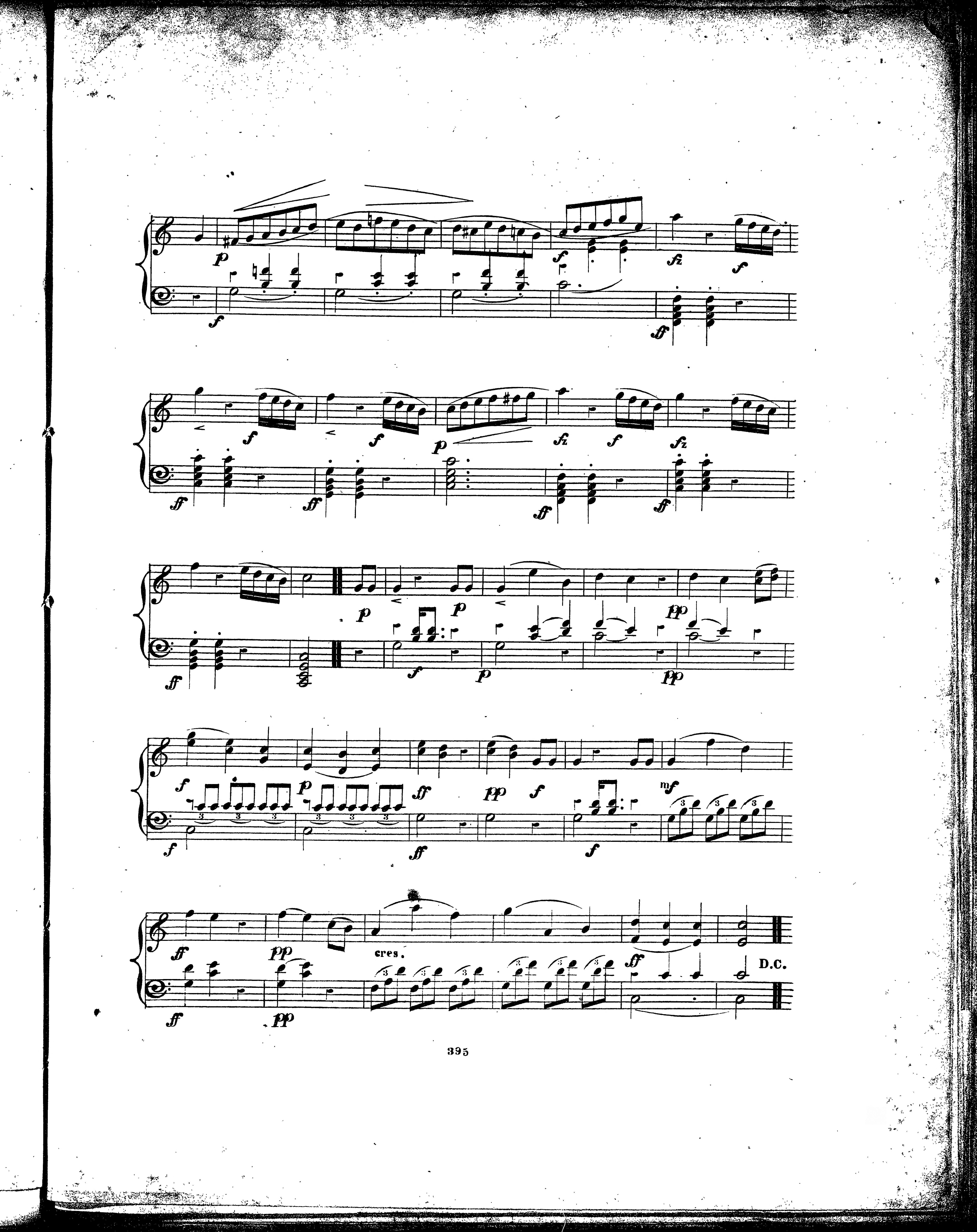
Original 1844 Sheet Music